
The Best Outings for Each Stage: 0–12 Months, 1–2 Years, 2–4 Years
Getting out of the house with a baby or toddler can feel like a logistical operation. The diaper bag, the nap schedule, the snacks, the possibility of a meltdown in a public place — it's a lot. But getting out is worth it, for both of you. Fresh air, new stimulation, and a change of scenery do real things for your child's development and your own sanity.
The catch is that what works changes constantly. An outing that's perfect at 3 months is completely wrong at 18 months. Here's a stage-by-stage guide to outings that are actually worth attempting.
0–12 Months: Go for You, Too
Babies in their first year are taking in everything — sounds, faces, light, movement — but they're not exactly opinionated about the destination. At this stage, getting out is as much about your wellbeing as theirs.
What works well:
Walks in the stroller or carrier. Simple and effective. Movement is soothing for most babies, and fresh air is good for everyone. Varying your route keeps things interesting — different sounds, textures, sights.
Library story time for babies. Most libraries offer programs specifically for infants, with simple songs, rhymes, and gentle sensory play. The real bonus: you'll meet other parents in the same stage.
Coffee shops and casual restaurants (off-peak). Go at 9am on a Tuesday. You'll have space, quiet, and a barista who has time to coo at your baby. Avoid the lunch rush with a 4-month-old — that's a different experience entirely.
Nature walks and parks. Babies are captivated by trees, light, and movement. Even just sitting under a tree on a blanket is genuinely stimulating for a young infant.
Farmers markets. Sensory gold. Colors, smells, sounds, faces — and usually friendly strangers who want to smile at your baby, which means you get to eat a breakfast taco in peace.
What to skip: Loud concerts, crowded festivals, anything with a strict schedule you need to stick to. Keep it flexible and bail-out-friendly.
1–2 Years: Let Them Move
Once your child is mobile — crawling, walking, climbing — the calculus changes completely. They need to move. Sitting still is not on the agenda. Outings that give them space to explore freely are almost always winners.
What works well:
Playgrounds. The obvious choice, and for good reason. Even very young toddlers love the swing, and by 18 months most are adventurous enough to explore structures. Go when it's not crowded so they have room to roam.
Children's museums. If you haven't been, go. The interactive exhibits are designed precisely for this age — lots of sensory play, water tables, building areas. Worth a membership if you have one nearby.
Splash pads. Easier than pools, no drowning risk, and toddlers absolutely lose their minds with joy at running water. Look for ones that are gated or enclosed.
Animal encounters — petting zoos, pet stores, aquariums. The concrete reality of animals is endlessly fascinating at this age. Keep it short — 45 minutes is plenty.
Open gym sessions. Many gyms and trampoline parks offer open play for toddlers in the morning. Low-key, movement-focused, and a good way to burn energy on a cold or rainy day.
What to skip: Long sit-down meals, theatre or shows that require quiet sitting, anything that lasts more than 2 hours without a solid nap built in.
2–4 Years: They Have Opinions Now
Two things happen around age 2: children become capable of more sustained engagement, and they also become very clear about what they want. The good news is that they can now handle more varied outings. The other news is that they'll tell you loudly if they're not feeling it.
What works well:
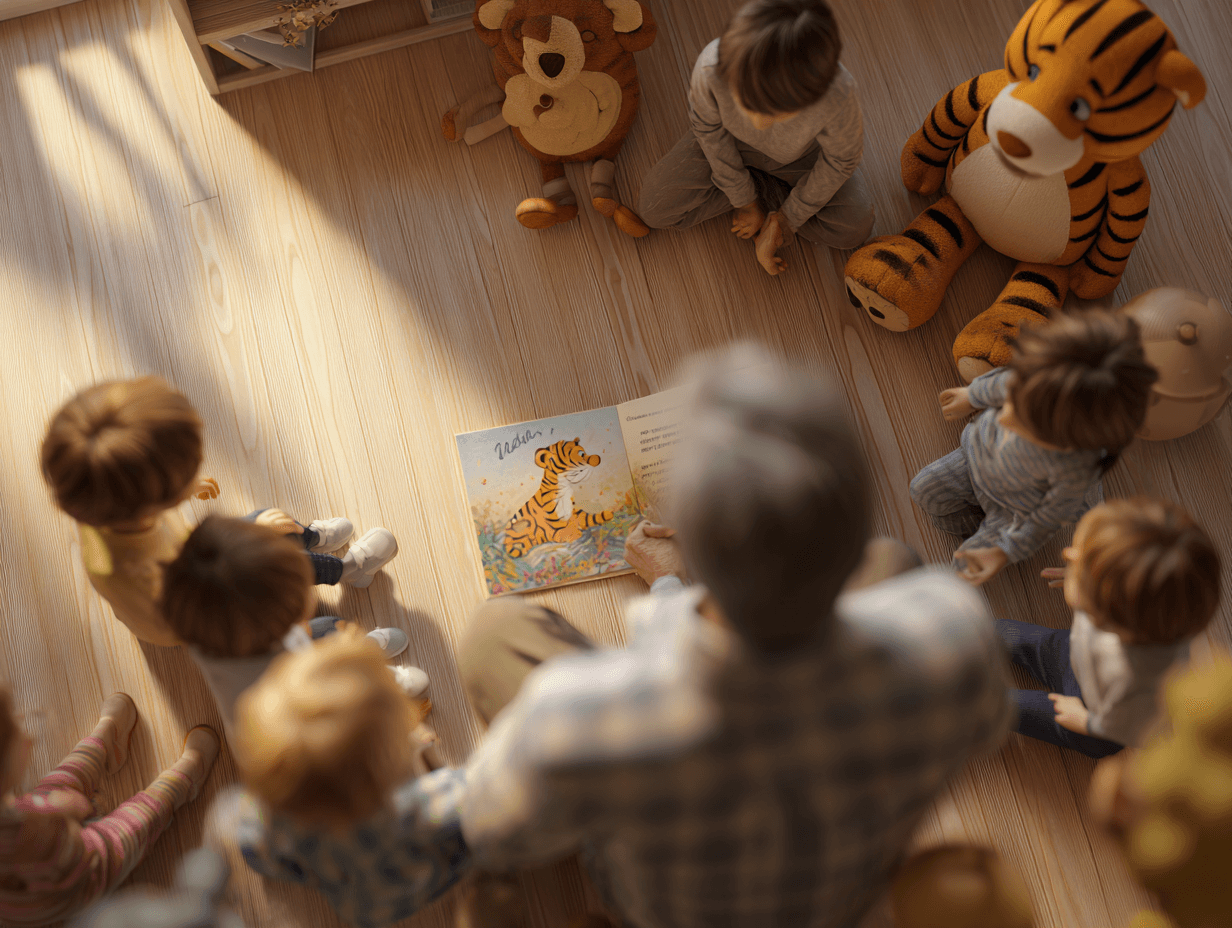
Story time and library events. By age 2–3, children can sit and engage with books and songs in a group setting. It's also a good low-pressure introduction to group dynamics before preschool.
Kid-focused theater and puppet shows. Short, colorful, interactive performances are a hit with this age group. Look for shows specifically designed for under-5s — they're structured around short attention spans.
Nature programs and junior ranger activities. Many state and national parks run free or low-cost programming for young children. Scavenger hunts, ranger-led walks, and hands-on nature exploration are perfect for this age.
Cooking or craft classes for kids. 3 and 4-year-olds love making things. Look for local programs at community centers, pottery studios, or children's museums.
Sports introduction classes. Soccer, gymnastics, swim lessons — 3 is a great age to try introductory group classes. Don't stress about skill-building; it's really about learning to follow basic instructions in a group, which is huge preparation for school.
What to skip: Anything where sitting quietly for more than 20–30 minutes is required. Also skip anything with a lot of unstructured time in large crowds — this is the meltdown sweet spot.
One thing that helps: knowing precisely what stage your child is in before you start planning. Virna tracks development and matches activity suggestions to where your child actually is — so you spend less time wondering whether something is "right for their age" and more time just deciding where to go.
The Universal Rules
Regardless of stage, a few things always hold:
Bring snacks. Always. More than you think you'll need.
Go early. Mornings are almost always better — kids are fresher, venues are less crowded, and you haven't burned through your patience reserves yet.
Build in an exit. Know how you'll leave if things go sideways. Having a graceful out makes you more relaxed, which makes your child more relaxed.
Lower the bar. A "successful" outing is one where you got out, your child experienced something new, and everyone got home. Everything else is a bonus.
Virna suggests age-appropriate activities based on your child's current stage — so you always have ideas that are just right for where they are.